

Going in to cfd trading may seem complicated, but breaking it down step by step makes the process significantly clearer. This guide provides a concise overview for new traders eager to comprehend Agreements for Big difference (CFDs). With the proper strategy, newcomers can understand the rules and begin trading confidently.
Knowledge CFD Fundamentals
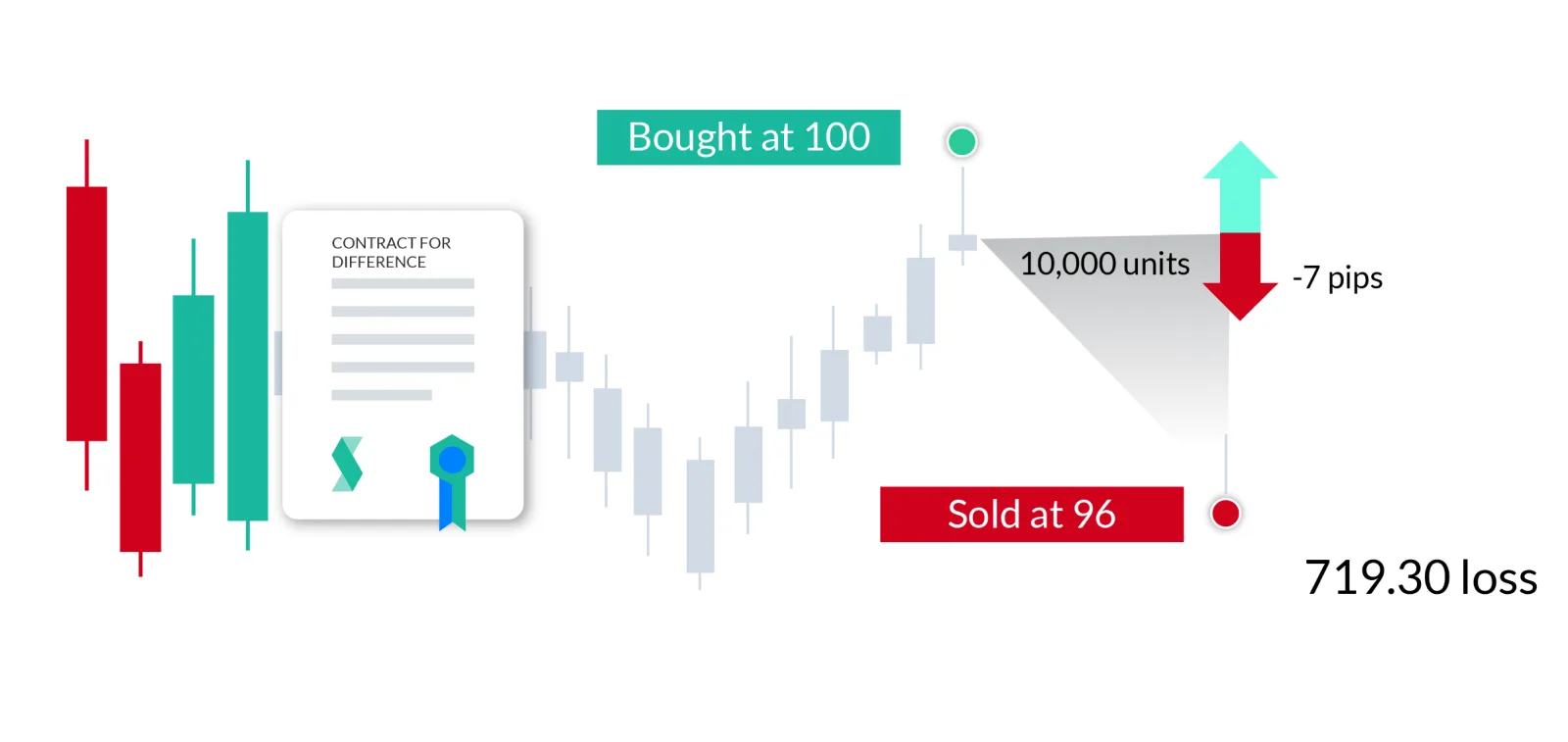
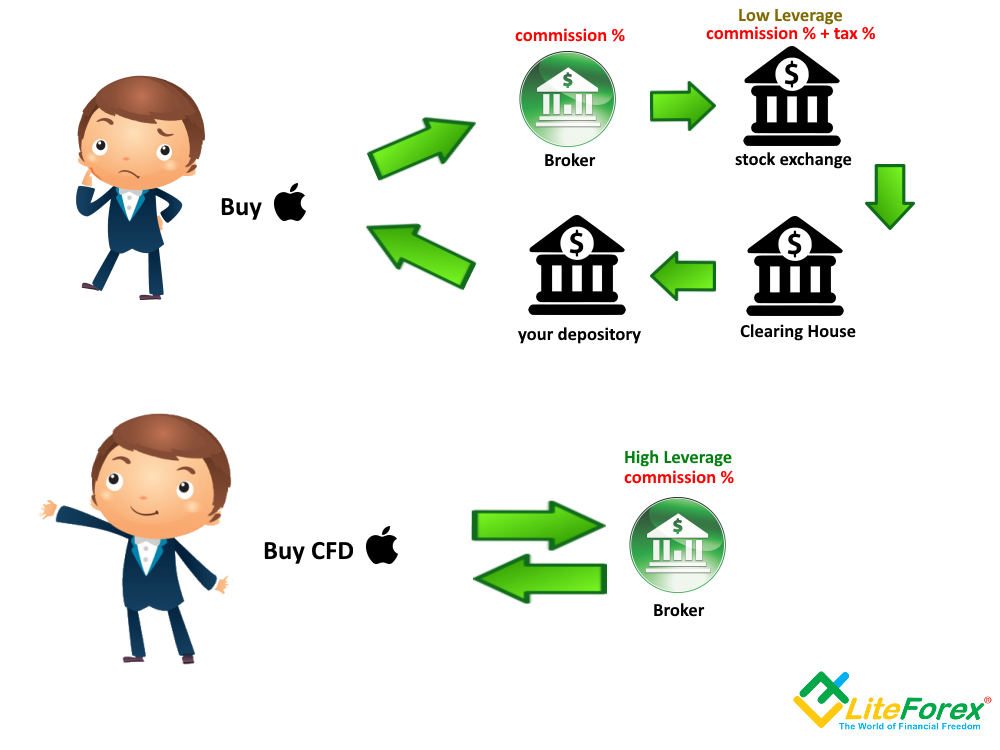
Contracts for Difference are economic derivatives that allow traders to imagine on cost actions without owning the underlying asset. When trading CFDs, you're basically predicting whether the worth of a tool may increase or fall. If your prediction is right, you produce a profit; or even, you incur a loss. That kind of trading is popular because of its flexibility and the capacity to deal on margin.
Beginning Your CFD Trading Journey
When you begin, it's vital to comprehend industry thoroughly. Start by investigating numerous resources you can business through CFDs, such as for example shares, indices, commodities, or currencies. After you've picked a property, familiarize yourself with its industry conditions and how additional facets may influence their price. Knowledge these things can allow you to make educated decisions and decrease risks.
Next, get more comfortable with the trading program you'll be using. Many tools provide demonstration records where you can practice without endangering real money. Use this feature to investigate different strategies and understand the trading process. Look closely at how power performs, as it can certainly increase both gains and losses.
Creating a Trading Technique
A solid trading technique is essential for accomplishment in CFD trading. Start with defining your goals and risk tolerance. Decide on the quantity you're ready to spend and the degree of chance you're comfortable with. It's also necessary to determine your access and quit items for every industry, as this can help you prevent making impulsive decisions.
Yet another critical part is handling your risk. Apply stop-loss and take-profit requests to protected gets and restrict losses. This approach ensures that you keep control around your trades and protect your opportunities, even if the market changes unexpectedly.
Entering the CFD Market
Once you're knowledgeable about the basic principles and have developed a method, it's time to enter the market. Start with making little trades to gain confidence and experience. Check your trades directly and hold understanding from each one. As time passes, you'll create a better comprehension of industry styles and boost your decision-making skills.
In summary, CFD trading offers exciting possibilities for new traders willing to set up the effort to master and practice. By knowledge the fundamentals, developing a strong strategy, and managing dangers effectively, beginners will get achievement in this active market. Remain individual, keep understanding, and your trading skills may develop around time.